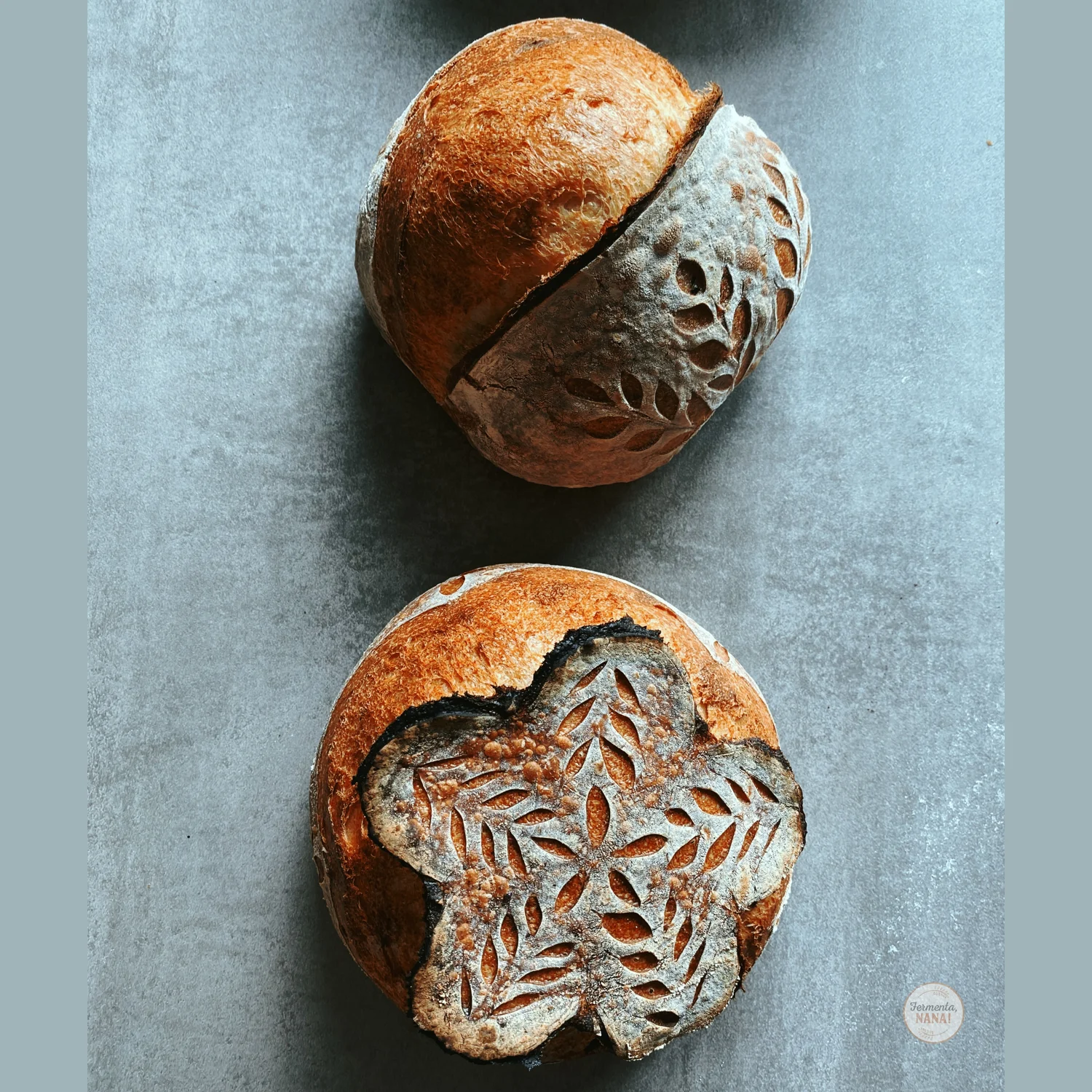
Sourdough asks for attention at a few important moments. The useful starting point is to work backwards from when you want to eat your bread, then find a routine you can repeat comfortably.
Begin with one loaf
Choose one recipe and make it more than once. Changing your flour, quantities and schedule at the same time makes it hard to understand what helped. A familiar dough gives you something to compare your next bake with.
Before starting, read the whole recipe. Note when you need to mix, fold, shape and bake. Some stages need your hands; others mostly need time. Keep both in mind when planning your day.
Make a tiny baking notebook
You do not need a complicated system. Write down the flour you used, the approximate room temperature, when you mixed the dough and how it looked before shaping. Add one sentence after slicing: what would you keep, and what would you change?
A photograph taken at the same stage each time can be especially useful. Dough changes gradually, and a visual record is often easier to compare than a memory of last weekend.
Leave room to learn
A recipe’s timing is a guide rather than a promise. Your kitchen, starter and ingredients influence the pace. Watch the dough alongside the clock and use the readiness cues in your chosen recipe.
If baking every week feels like too much, choose a rhythm you actually enjoy. The best bread habit is one you want to return to.